Arthur Pole
The King's CurseArthur Pole, the second son of Margaret Pole, grew into a skilled horseman and jouster whose courage brought him close to Henry VIII. His return to court promised a place for the Plantagenet family within royal life, and his military service won him a knighthood. That promise ended with his death during the sweating sickness; neither his family’s influence nor its recovered wealth could shield him from the epidemic.
Identity and Family Background
Arthur belonged to the extensive Plantagenet kinship network that shaped his mother’s life and political position. His mother, Margaret Pole, had endured years of poverty and separation from some of her children before returning to court. When she was restored to royal favor, Henry VIII offered her sons places in his household. Arthur’s older brother Montague and Arthur were reunited with her as young men after nearly six years apart, a separation she knew could never be made good. Arthur was seventeen at their reunion, nearly as tall as Montague and described as broader and stronger, with a gift for riding and athletic pursuits.
His upbringing had prepared him for the courtly world he entered. Margaret’s cousin George Neville had promised to make Arthur a great sportsman, and Margaret credited him with teaching her sons the skills that would help them succeed as courtiers. Arthur’s family identity was both a source of distinction and a political vulnerability: the Plantagenets were a large, closely connected lineage, and ties of blood and marriage that sustained family alliances could also look suspicious to those who feared a rival faction.
Court Life and Royal Favor
Arthur’s sporting ability quickly distinguished him at court. Henry VIII admired his courage at the joust, and Arthur was among the few who dared to compete against the king and could defeat him. On one occasion, Arthur unseated Henry, then immediately dismounted and helped him up. The king met the mishap with laughter and embraced his cousin. The scene presented their rivalry as friendly sport: a Plantagenet could stand over an unseated Tudor without turning the contest into a political challenge.
Arthur also accompanied the royal household on hunts and rides, but keeping pace with the king could feel more like work than recreation. His place at court carried practical importance as well as prestige. He told Margaret that Henry intended to make him a gentleman of the privy chamber, a new household office modeled on the French king’s arrangements. Arthur understood the appointment as part of Henry’s effort to rival the French court, and it would have made him one of a small number of men closely attached to the king.
His household and family responsibilities could bring him into conflict. Arthur tried to persuade Jane’s father to transfer lands to him before the inheritance formally passed. Arthur argued that he could take responsibility for the military service attached to the estate, while Jane’s father was too old and frail to serve the king; he also offered to pay rent. Arthur regarded the proposal as fair assistance, but the disagreement troubled his marriage, and he reported that Jane was displeased with him. The episode shows how land was not merely property: it carried duties to the crown and could determine who exercised authority over tenants.
Military Service and Knighthood
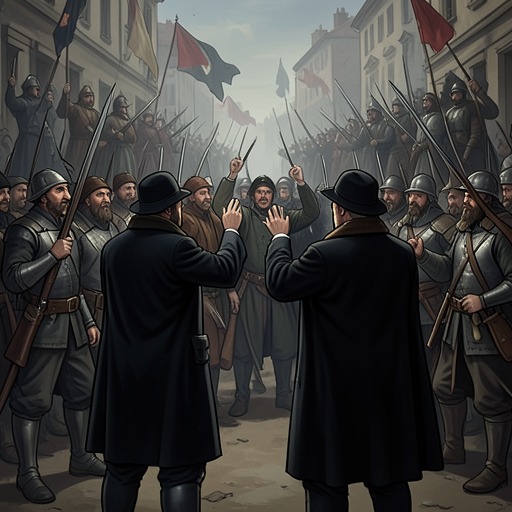
Margaret’s exclusion from court did not prevent the king from calling upon her sons when he needed experienced military leaders. In the summer of 1523, Henry VIII invaded France and summoned both Montague and Arthur. Montague was appointed captain; Arthur fought at the forefront of the campaign. His bravery was rewarded with a knighthood, after which he was known as Sir Arthur Pole. For Margaret, his service joined personal pride to family history: she imagined how pleased his father would have been and took satisfaction in the fact that he had served the king’s mother.
The campaign also clarified the conditional nature of the family’s position. Arthur could be welcomed for his courage and usefulness, even while Margaret remained in exile and disgrace at court. His military distinction therefore did not erase the suspicion surrounding his lineage or guarantee his mother’s return to favor; it showed instead how royal service could create standing for individual family members amid wider political uncertainty.
Death and Family Aftermath
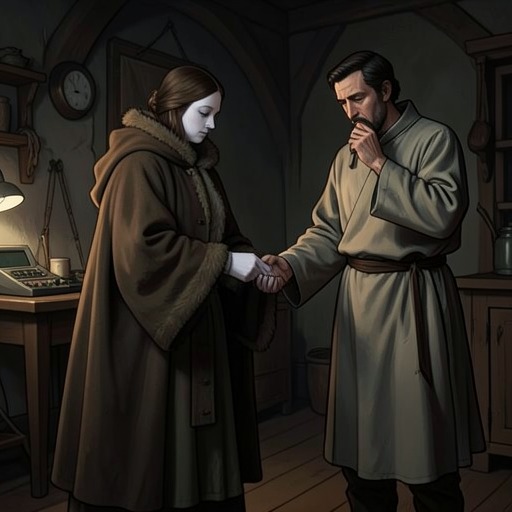
Arthur died during the sweating sickness. Geoffrey brought the news to Margaret, who at first struggled to understand that her son was dead. Arthur’s wife, Jane, was herself gravely ill, and those caring for her withheld the news of his death. Their household had fallen into disorder after its steward, frightened of the illness, withdrew and abandoned his duties. In the confusion, Montague took charge of the arrangements and ordered that Arthur’s body be moved from the house to the family priory.
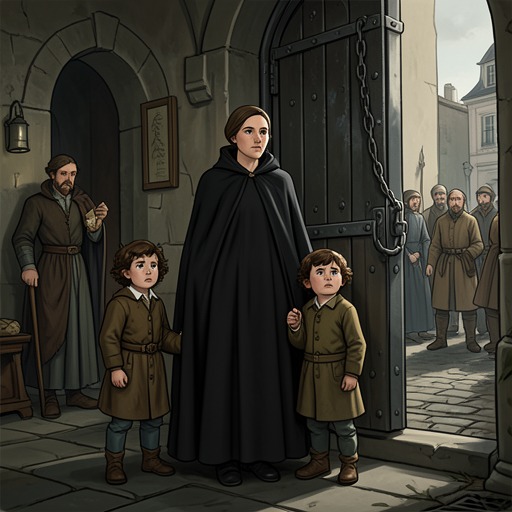
Arthur was buried at Bisham Priory, where the family laid him to rest among the Plantagenet kings. Margaret went with Geoffrey and Constance to begin prayers for his soul after the church had been prepared for the service. The burial gave him a place within the dynastic history to which he belonged, but it could not lessen the loss at home. Margaret looked at the house she had renewed and reflected that the wealth and power she had recovered for her children had not saved her beloved son from the sickness.
Arthur’s young son also died. Years later, Margaret recalled the loss of the boy while telling Katherine of Aragon about the family’s surviving children: Arthur’s two daughters were well. Jane, now Arthur’s grieving widow, later appeared at Margaret’s household after leaving the religious life she had entered following her bereavements. Her return and new betrothal marked a further change in the family’s circumstances, but Arthur’s absence remained at the heart of that history. His arc moves from restored courtly promise to military achievement and early death, showing the limits of favor, rank, and family wealth in the face of epidemic disease.